The short verdict
The Midnight Library asks a question almost everyone has asked: what if I’d chosen differently? Its answer is kind, hopeful and easy to read in a weekend. It’s also simple, sometimes to the point of sounding like a self-help book wearing a novel’s clothes. Readers tend to either love it or roll their eyes. Both reactions are fair.
Rating: 4.0 / 5
Content note
The novel opens with the main character deciding she no longer wants to live, and it deals with depression and suicide throughout. It handles these themes with compassion and without graphic detail, but readers who are struggling may want to choose their moment carefully. If you are going through a difficult time, please talk to someone you trust or contact a local support line.
The premise
Nora Seed is in her mid-thirties and believes her life is a list of disappointments. She quit the band she was in with her brother. She called off her wedding. She gave up competitive swimming. She works in a music shop she’s just been fired from.
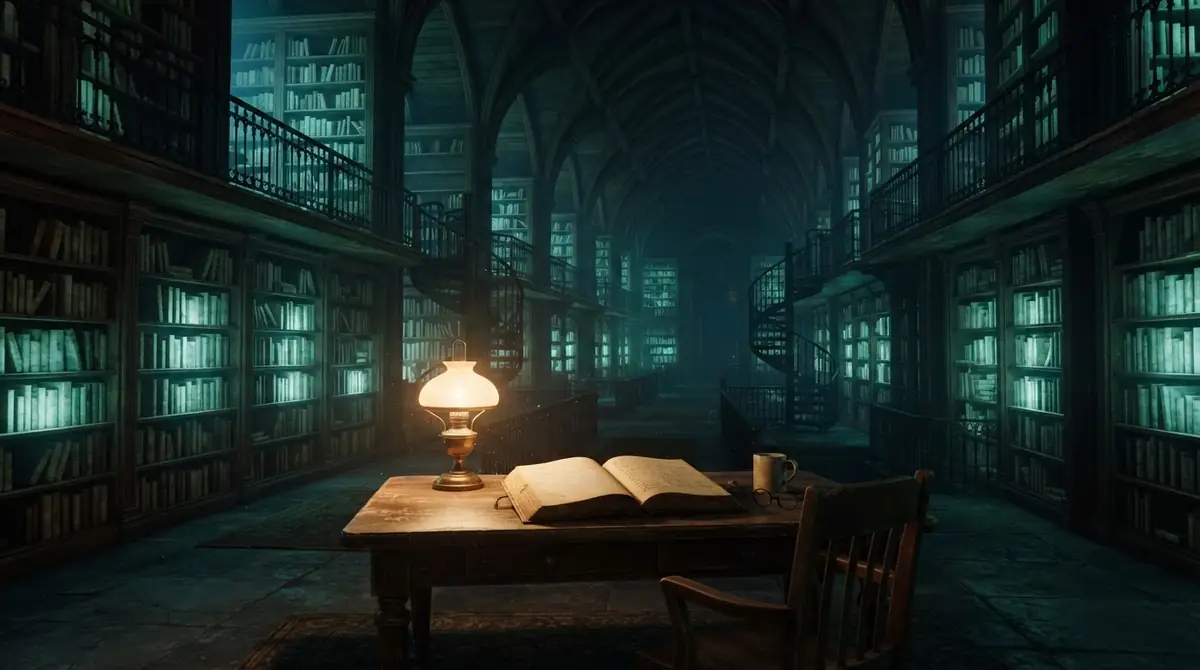
After a crisis, she finds herself in a strange library between life and death. Each book on its shelves is a version of her life where she chose differently. With the help of a librarian from her school days, she can open any book and live that life, until disappointment sends her back to the library to try another.
What works
The idea is brilliant and easy to grasp
Few novels have a hook this clear. Anyone who has replayed a decision at 3 a.m. will understand Nora instantly. The “what if” lives are fun to explore: some are glamorous, some are surprising, and some reveal that the dream Nora always regretted giving up wasn’t what she imagined.
It’s honest about regret
The book’s central insight is that regret often compares our real, messy life with an imaginary, perfect one. Every alternative life Nora tries has its own costs. That’s a genuinely helpful idea, and the novel makes it feel rather than just stating it.
It moves fast
Short chapters, simple prose and a steady stream of new lives make it very easy to keep reading. Many readers finish it in two or three sittings.
Fair criticisms
- The message is spelled out. Haig often explains the lesson rather than trusting the reader to find it. Lines that sound like motivational posters will put off readers who like subtlety.
- The alternative lives can feel thin. Because Nora moves through so many of them, few have real depth. Supporting characters, especially in the alternate worlds, are sketched rather than drawn.
- The philosophy is light. There are nods to quantum physics and philosophy (Nora studied philosophy), but they’re decoration, not argument.
- The ending is predictable. You’ll likely guess where it’s going. Whether that matters depends on whether you read for surprise or comfort.
Who should read it
- Readers going through a big decision or a “what if” phase
- Fans of gentle, hopeful fiction such as Eleanor Oliphant Is Completely Fine
- Book clubs: it’s short, accessible and gives everyone something personal to discuss
- Readers who want a quick read between heavier books. It appears on our list of short books to read in a weekend for that reason.
You might not enjoy it if you prefer literary complexity, ambiguous endings or stories that leave you unsettled.
Book club discussion ideas
- Which of Nora’s alternative lives would you have chosen to stay in, and why?
- Does the book suggest our choices matter more or less than we think?
- Is the library a comforting idea or a frightening one?
- Is the book’s message helpful, or too neat?
More universal questions are in our guide on how to start a book club.
Final thoughts
The Midnight Library is not a profound novel, and it doesn’t pretend to be. It’s a warm, accessible story built around a single strong idea: the life you have contains more possibility than the lives you didn’t live. For the right reader, at the right moment, that’s exactly what a book should do.
Frequently asked questions
Is The Midnight Library sad?
It starts in a dark place and deals with depression and suicide, but its overall tone is hopeful and the ending is uplifting.
What age is The Midnight Library suitable for?
It's written for adults but is often read by older teenagers. Because of its themes, around 15 and up is a common recommendation.
How long does it take to read The Midnight Library?
At about 290 pages, most readers finish it in four to six hours.
Is The Midnight Library worth reading?
If you enjoy hopeful, idea-driven fiction and want a quick read, yes. If you prefer complex literary novels, you may find it too simple.